Technologies
From pilot cultivator to production technology
We develop the cultivator, operating conditions and process monitoring as one system. We study international experience, select useful approaches and adapt them to our cultures and objectives. The next stage connects scale-up with biomass quality, resource use and practical operation.
Technological chain
The development outcome is a process, equipment and documentation that support operation at the next scale.
Trial facility
Disc cultivator and pilot facility
Our disc cultivator is the basis of the engineering programme. At the pilot facility, we refine lighting, mixing and nutrient supply, work with artificial seawater, and prepare and study biomass. We are developing measurements and data recording to support consistent operation.
- Our own premises and three cascades of photobioreactors
- A 200 L photobioreactor: experience growing different cultures
- For more than a year we have grown a marine diatom culture in it on artificial seawater
- Freeze-drying of biomass since early 2026
Engineering goals
- Energy consumption
- Operator safety
- Automation
- Ease of maintenance
These are the tasks we are working on now.
Water, measurement, data
What we measure and what we are developing
The culture and the equipment set what the process can do. Prepared water, measurement and batch analysis help repeat a good cycle. We will test whether models can help increase product yield and reduce costs.
- In use
Prepared water
The composition of natural water varies between sources and over time. We grow the culture in artificial seawater of a defined composition to reduce this variability. Checking the source water, the salts and the finished solution helps reproduce conditions and compare experiments with each other.
In practice
Each new water source needs analysis, suitable treatment and a cost estimate.
- In development
Measuring unit
We are developing an optical measuring unit. Its purpose is to obtain comparable signals on the state of the culture more often than manual laboratory analysis allows. Quantitative estimates from these signals are obtained after calibration against samples.
In practice
An optical signal reflects cells, pigments and light scattering, so fucoxanthin content and other parameters are determined by appropriate laboratory methods.
- In development
Reference and rapid analysis
Reference analysis of fucoxanthin means separating the pigment from interfering components and quantifying it with a verified calibration, for example HPLC with a standard. It is performed by a laboratory agreed in the work programme. A rapid method is under development: it relies on matching sample spectra with reference analyses of the same samples and is meant to assess a batch between laboratory checks.
In practice
Moisture, lipids, amino acids and contaminants are determined by separate methods. The batch information sheet states how each result was obtained: reference analysis or rapid estimate.
- In development
Data and models
Growth and composition are affected at once by light, self-shading of cells, water, temperature, nutrients, gas exchange and harvesting, and the effect of a change shows up with a delay. We are developing an approach in which measurements, operator actions, batch analyses and resource use are linked in a single log. On these data, a model should learn to assess the state of the culture and predict the outcome of permissible changes to the cultivation conditions.
In practice
We start with paired measurements and laboratory samples, then test the forecast on new cycles and give recommendations to the operator. Controlling cultivation conditions is the next step.
Improvement cycle
- 1Measure
- 2Propose a change
- 3Run the experiment
- 4Check quality and costs
- 5Repeat the successful conditions
The goal is more usable product at lower total cost. We compare conditions in independent cycles on the same equipment, by product yield, quality and total cost.
Key studies
Three studies we build on
A short look at published work: the task, the material, the result and how it relates to our work today.
- 01
A marine diatom at a scale of hundreds of litres
- Task
- To move the marine diatom Cylindrotheca closterium from small laboratory cultures to hundreds of litres and simplify biomass harvesting.
- Material
- A C. closterium culture in a gas-vortex photobioreactor, 580 L of suspension.
- Result
- 3.5 kg of dry biomass was obtained in 15 days. The suspension was thickened by natural settling of the cells and filtered through fabric; these two operations required no electricity. Conference abstracts from the same work deal with fucoxanthin production.
- Relation to our work
- Experience in marine diatom cultivation and harvesting contributes to the project’s research and engineering foundation. Our current work with Nanofrustulum develops biomass production for fucoxanthin extraction.
- What it means next
- The basis of the "biomass for fucoxanthin" direction.
Source: Gevorgiz R. G. et al., 2016 — Industrial technology for producing biomass of the marine diatom Cylindrotheca closterium (Ehrenberg) Reimann & Lewin using a gas-vortex photobioreactor
- 02
Vortex mixing of cultures
- Task
- To mix the suspension without damaging cells and to avoid dead zones, hydraulic shocks and local overheating.
- Material
- A series of studies from 2021–2026: comparison of mixing methods, flow in a gas-vortex bioreactor, cultures of spirulina and Porphyridium purpureum.
- Result
- In the gas-vortex bioreactor, flow became more uniform as culture viscosity increased. In semi-continuous mode, Porphyridium purpureum productivity was 16.96 g/(m²·day). Productivity is determined primarily by the light inside the suspension layer, taking mixing into account.
- Relation to our work
- The vortex photobioreactor described in the 2026 paper is the unit on which Laboratory 17 works.
- What it means next
- We select lighting and cultivation conditions with regard to the light inside the suspension layer.
Source: Gevorgiz R. G. et al., 2026 — A new approach to microalga Porphyridium purpureum (Bory) Ross cultivation based on a pilot-scale vortex photobioreactor (opens in a new tab)
- 03
A study of biological effects
- Task
- To test how biomass and an extract of the marine cyanobacterium Leptolyngbya cf. ectocarpi act in experimental models in laboratory mice.
- Material
- Leptolyngbya cf. ectocarpi biomass; suspension and extract.
- Result
- The authors described changes in blood biochemistry and in liver and intestinal structure in mice in the experimental models.
- Relation to our work
- The biomass was grown at the facility of sole proprietor T. A. Nevskaya, the operator of Laboratory 17, and the work was financially supported by her.
- What it means next
- An example of joint work in which the team is responsible for cultivation and a research group for the study. This is the format we offer to research partners.
Source: Lykov A. P. et al., 2026 — Therapeutic efficacy of the cyanobacterium Leptolyngbya cf. ectocarpi in experimental toxic hepatitis and inflammatory bowel disease in mice
Stages in detail
How material reaches a partner's trialWhat happens to the material and what the partner receives at each step. The scope of work, analyses and laboratories are set out in the programme before the start.
- 1
Cultivation
What we do
We grow the chosen culture to an agreed protocol.
What the partner receives
The batch number and the protocol under which it was produced.
- 2
Harvesting
What we do
We separate the biomass from the medium by the method chosen in the programme and record losses.
What the partner receives
The mass of harvested biomass in the batch.
- 3
Drying
What we do
We dry the biomass, including by freeze-drying, pack it and keep retention samples.
What the partner receives
Dry material with batch identification and storage conditions.
- 4
Analysis
What we do
We take samples and send them for analysis. Parameters, methods and the laboratory are set out in the programme.
What the partner receives
Analytical reports with quantitative results, method and laboratory; a batch information sheet.
- 5
Partner's trial
What we do
The partner tests the material in its product or process; we review the results together.
What the partner receives
A conclusion on suitability and a decision on further work.
Transfer of a culture, medium recipe and cultivation conditions is arranged under a separate agreement.
Process stagesWhat we do at each stage: culture, conditions, control, biomass preparation, analysis, repeatability, scale-up.
- 1
Cultures and seed material
We work with documented cultures. For each culture we check its origin, purity and conditions of use before including it in a project.
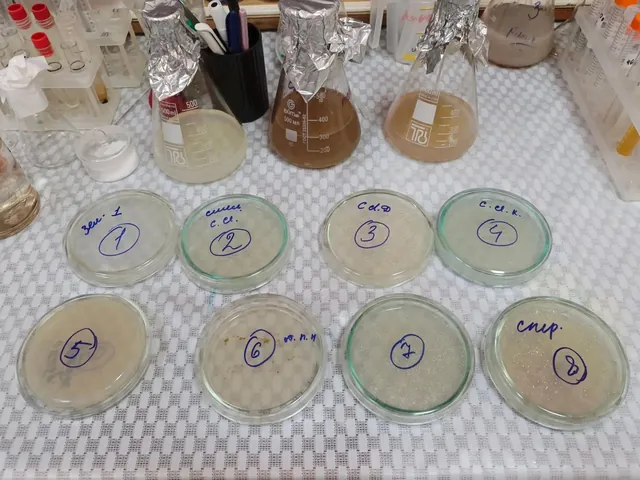
Cultures on Petri dishes and in flasks - Culture identification
- Origin of the culture and its subculture history
- Purity control
- Storage conditions for seed material
- Basis for working with the culture in the project
- 2
Regime development
We select conditions under which the culture consistently yields biomass with the target characteristics, and set them out in a protocol.
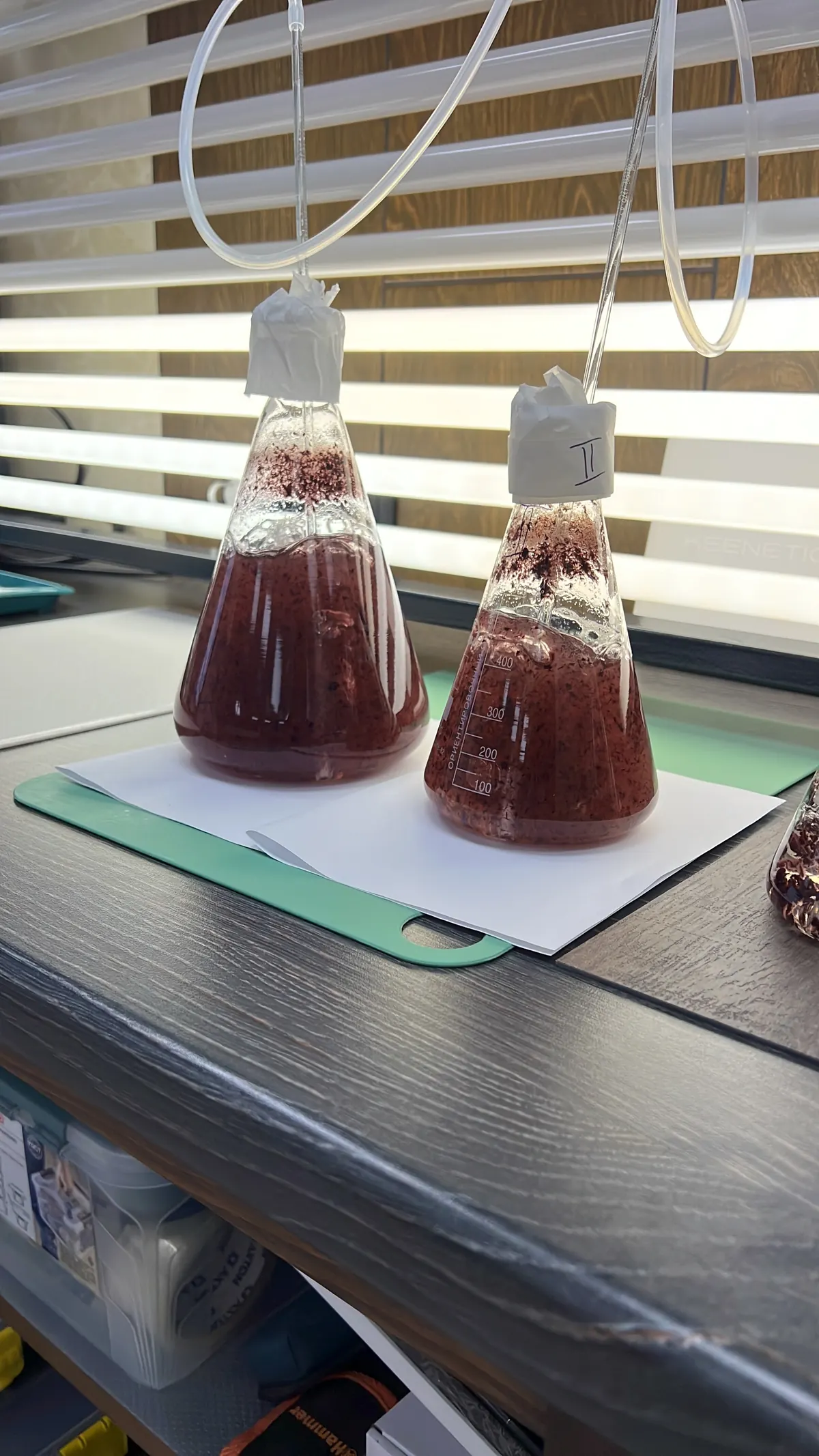
IllustrationMicroalgae cultures in laboratory glassware under a light panel. - Growth medium
- Light and temperature
- Gas exchange
- Harvesting and replenishment
- Duration and end-of-process criteria
- 3
Process control
We control the process by measurement. Deviations are logged together with the protocol applied.
- Scheduled sampling
- Optical measurements of culture density
- Analytical measurements
- Deviation log
- Protocol versions
- 4
Biomass production and preparation
For each batch we record its number, the protocol applied and the preparation method.
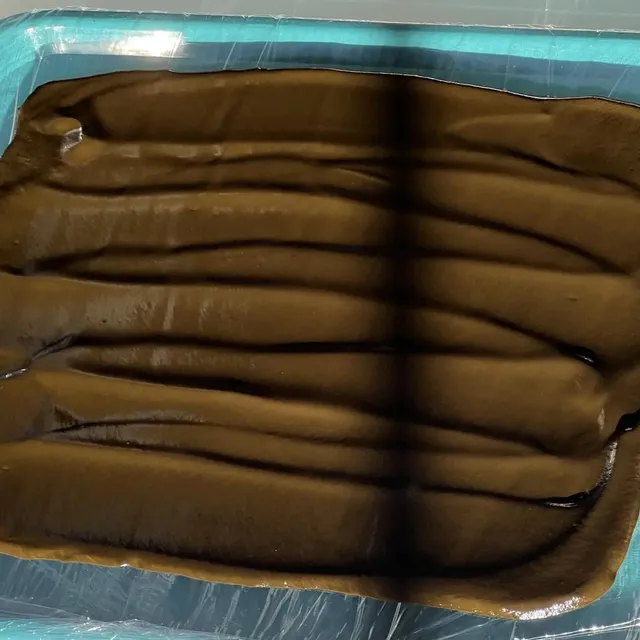
Diatom culture biomass before drying 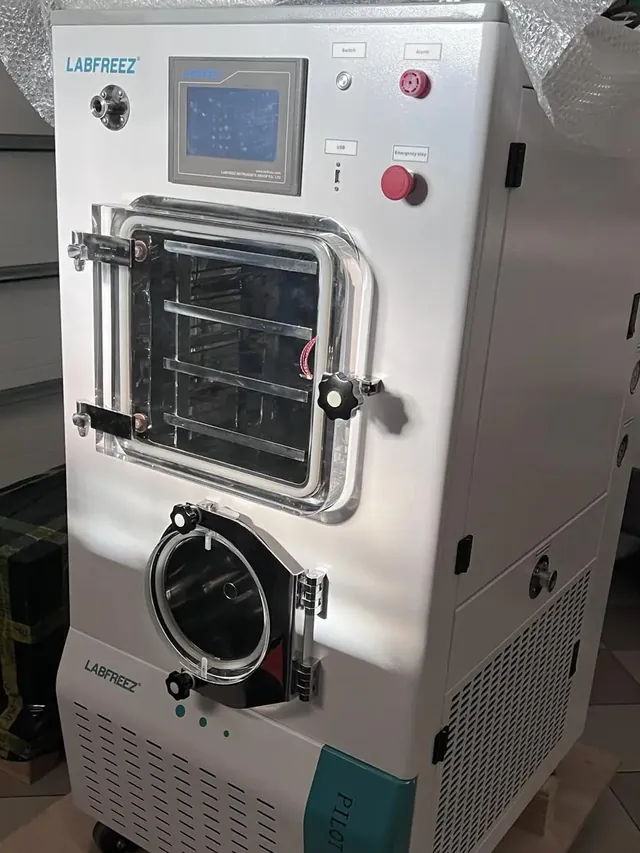
The laboratory's freeze dryer, early 2026 - Biomass harvesting
- Drying, including freeze-drying
- Packaging
- Storage conditions
- Batch number
- 5
Analytics
Parameters and methods are agreed in advance. A result always states the method, the laboratory and the limitations of the method.
- Agreed parameters
- Analytical methods
- Laboratory
- Primary data
- Result and method limitations
- 6
Repeatability
We compare independent cultivation cycles and check whether the result repeats.
- Independent runs
- One protocol
- Comparison of batch information sheets
- Analysis of deviations
- 7
Scale-up
When the volume increases, we re-check the cultivation conditions and quality control.
- Laboratory volume
- Pilot volume
- Production volume
- Re-checking conditions and control
Photos
The laboratory at work
Photos of laboratory work in 2025–2026.
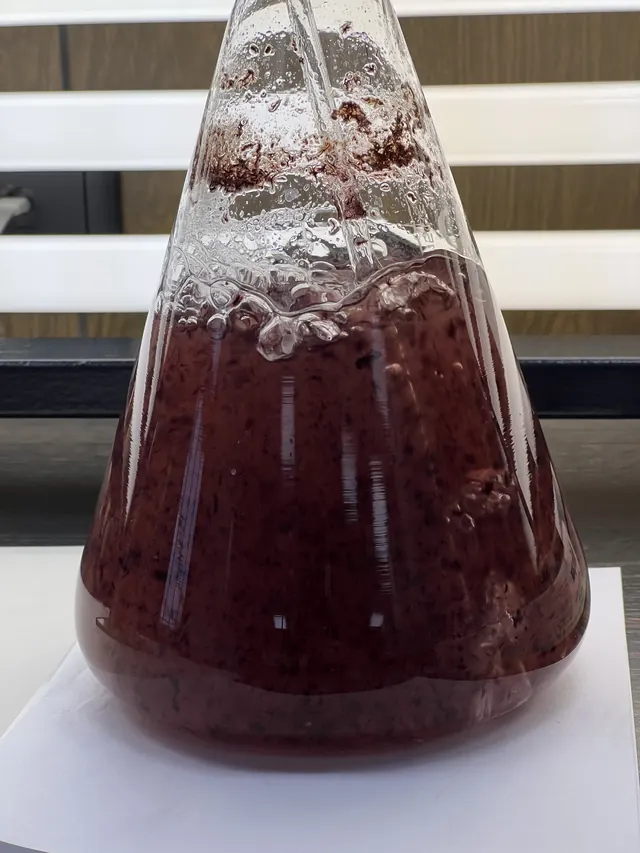 (opens in a new tab)
Culture in a flask 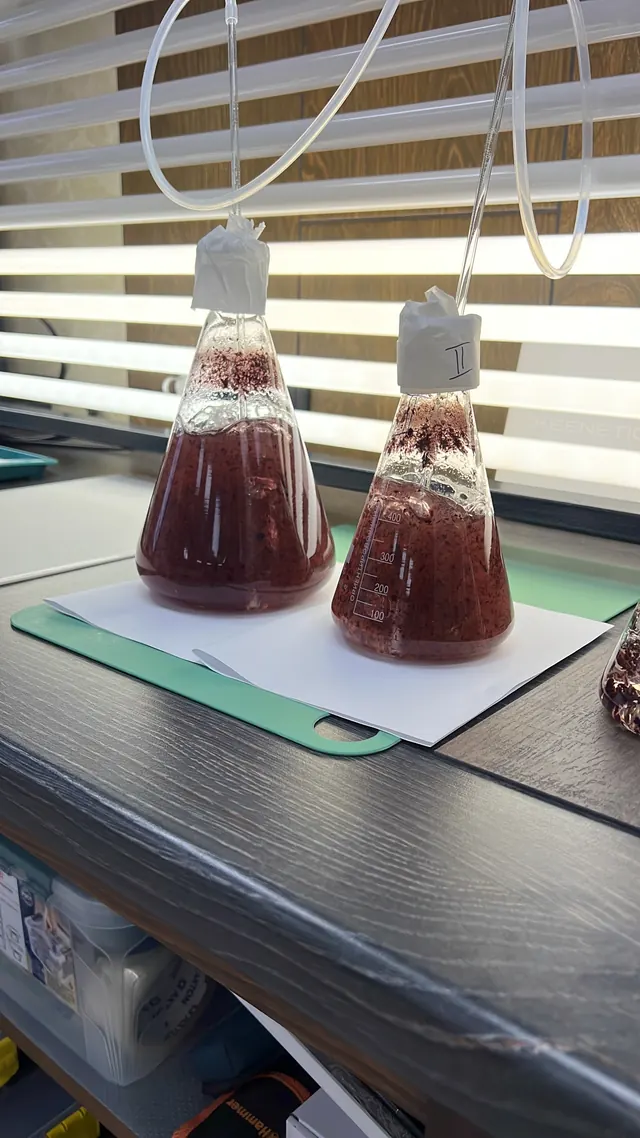 (opens in a new tab)
Cultures in flasks 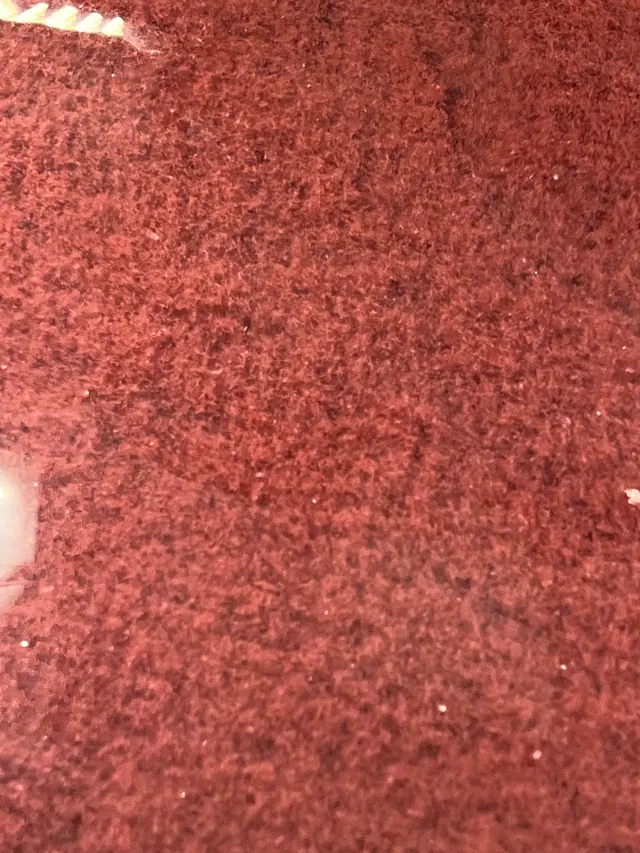 (opens in a new tab)
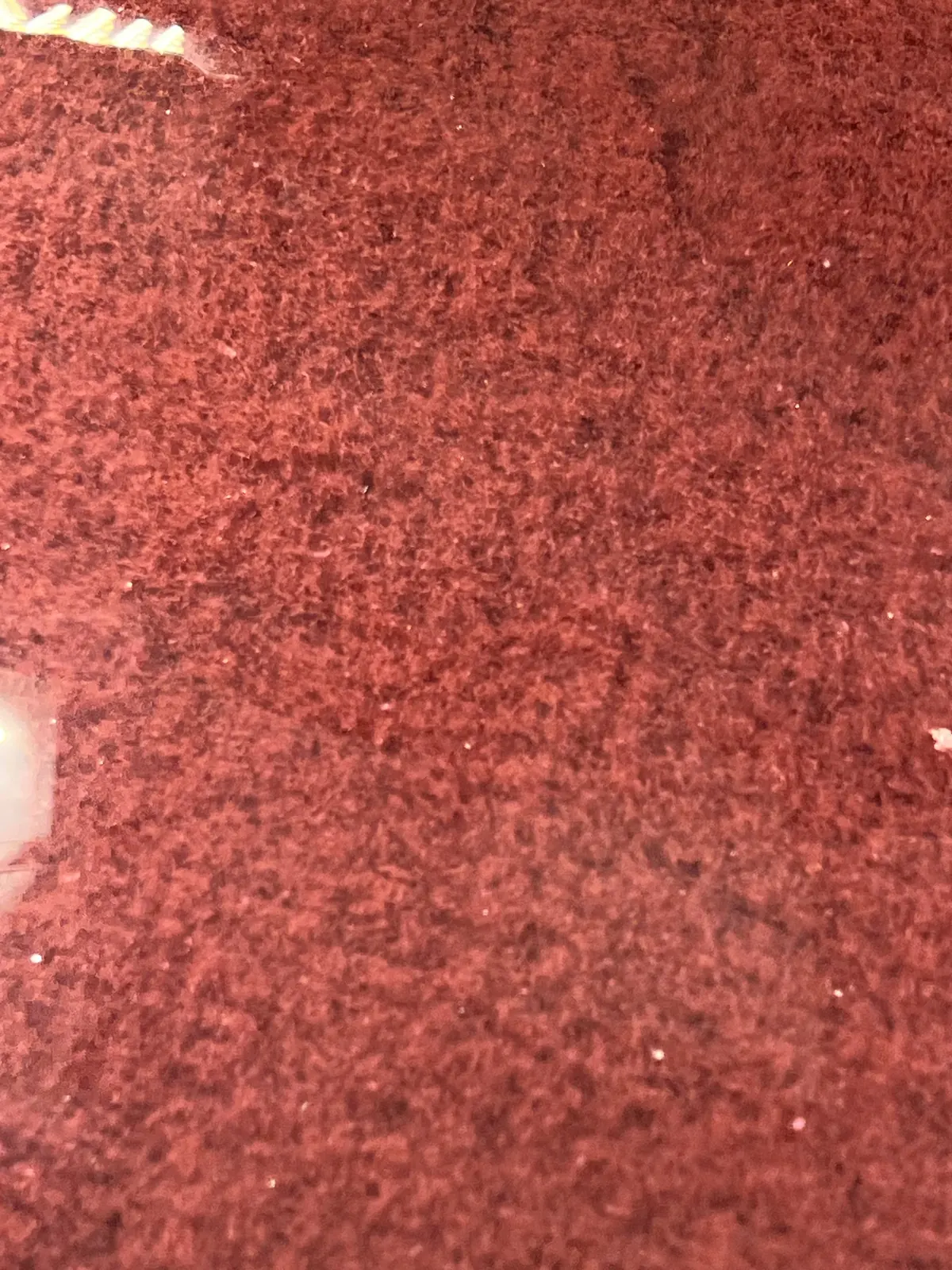
Culture, close-up 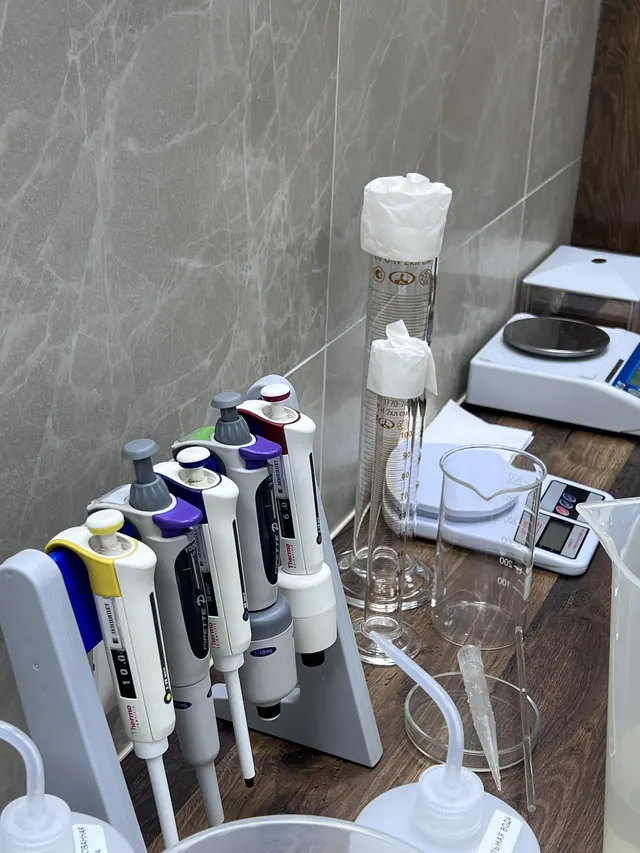 (opens in a new tab)
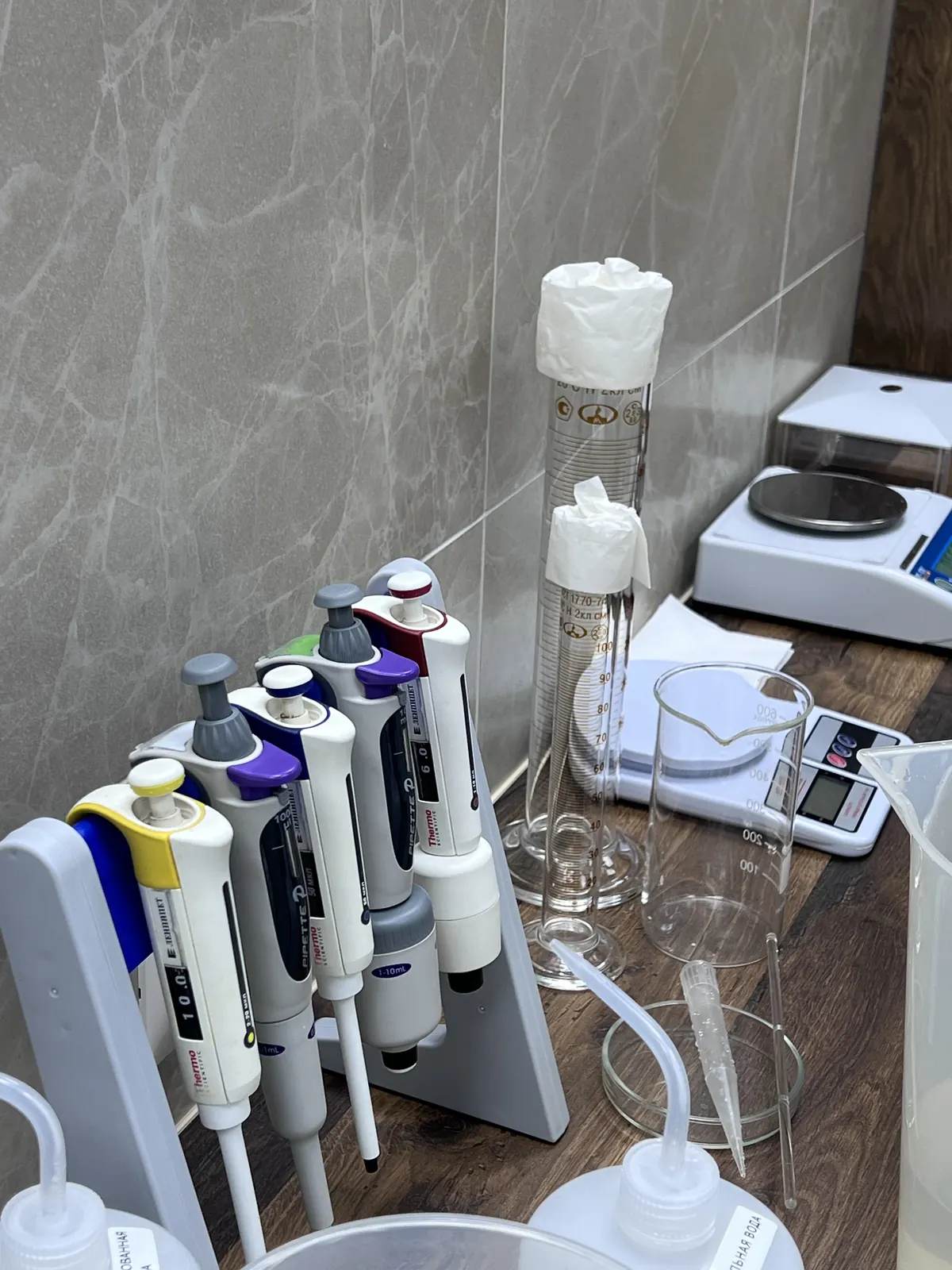
Pipettes at the workstation 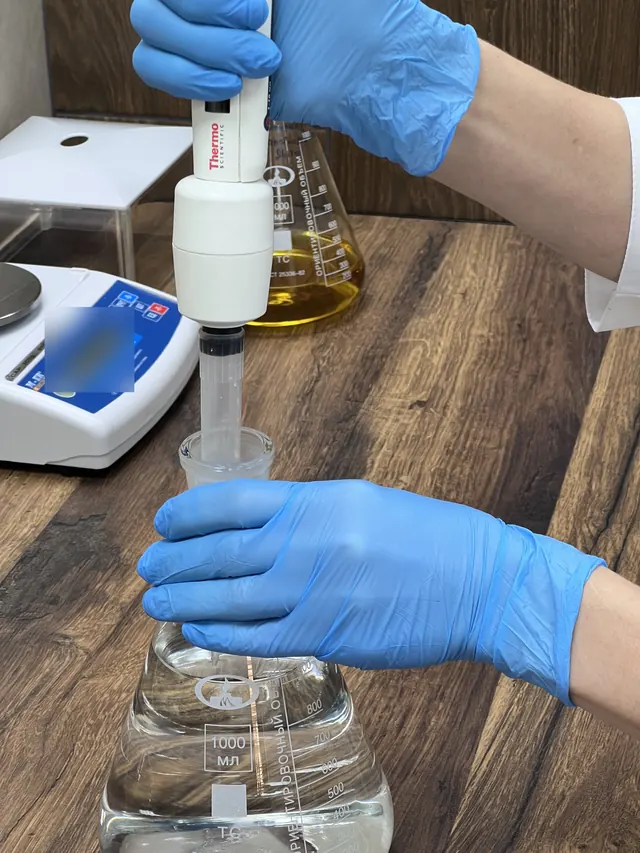 (opens in a new tab)
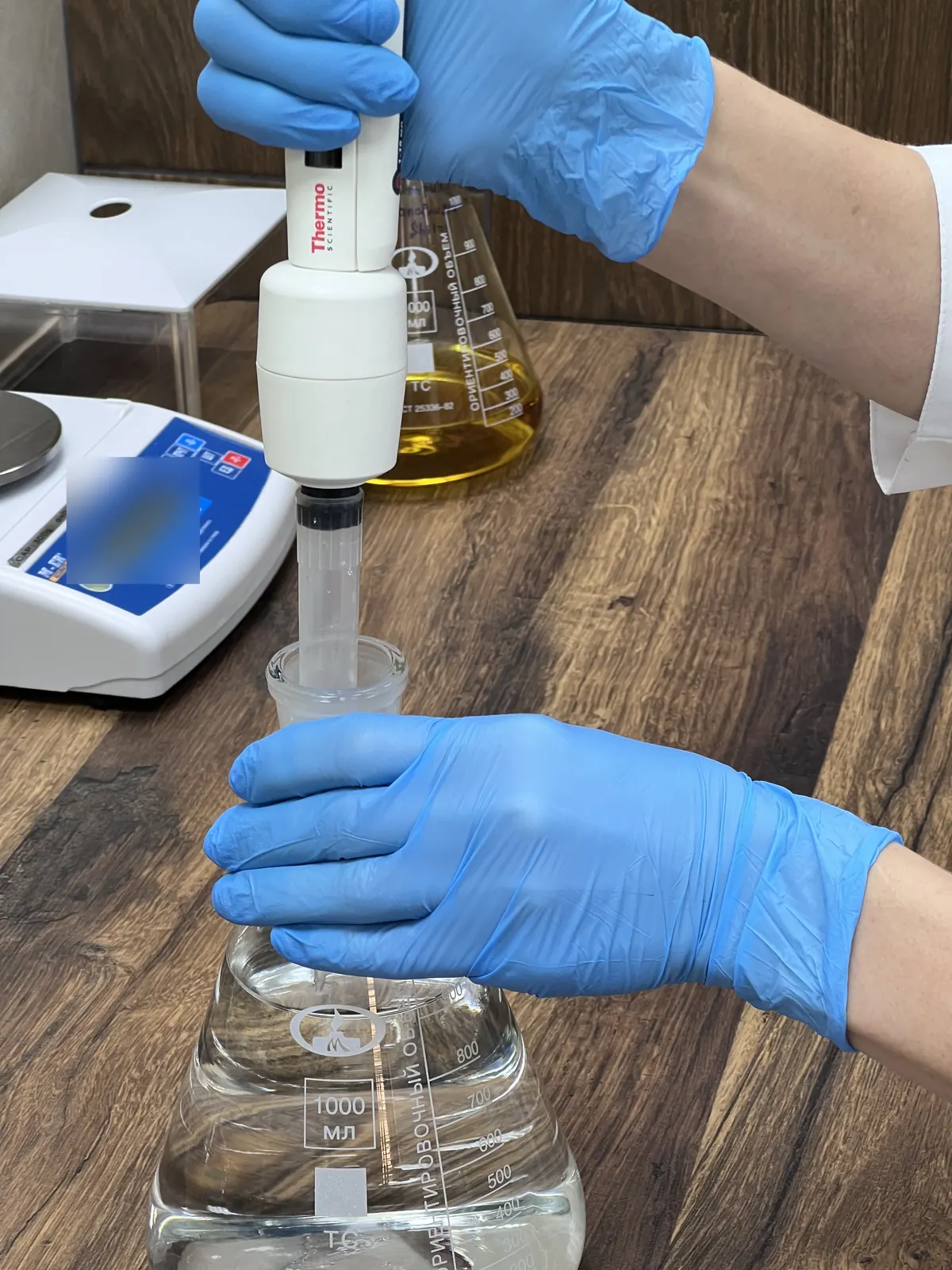
Sample preparation 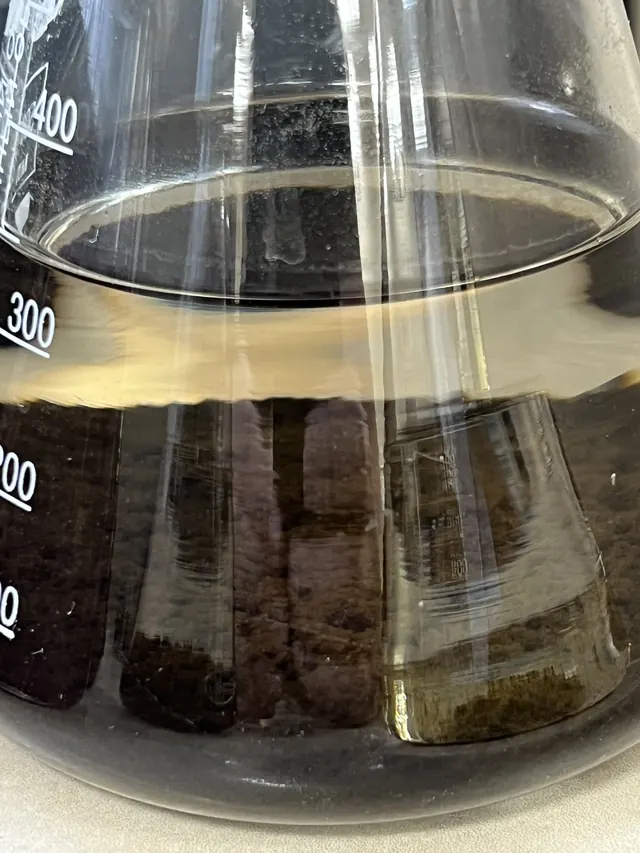 (opens in a new tab)
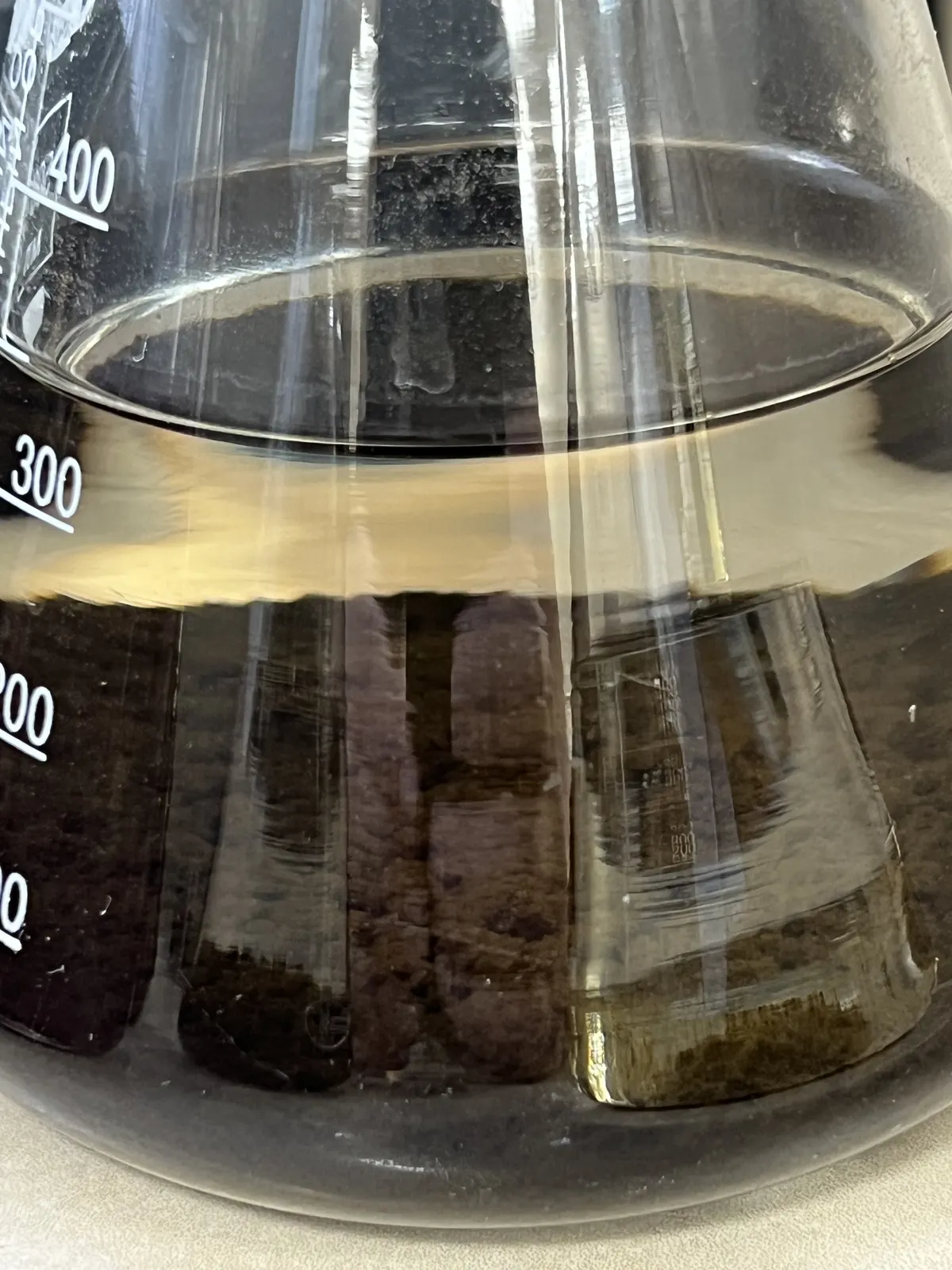
Separating biomass from the medium: settling 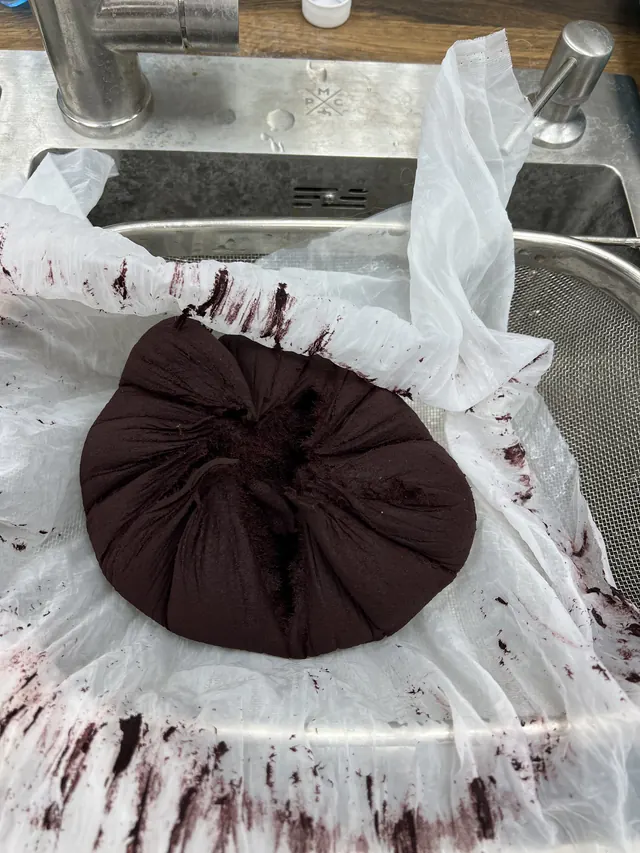 (opens in a new tab)
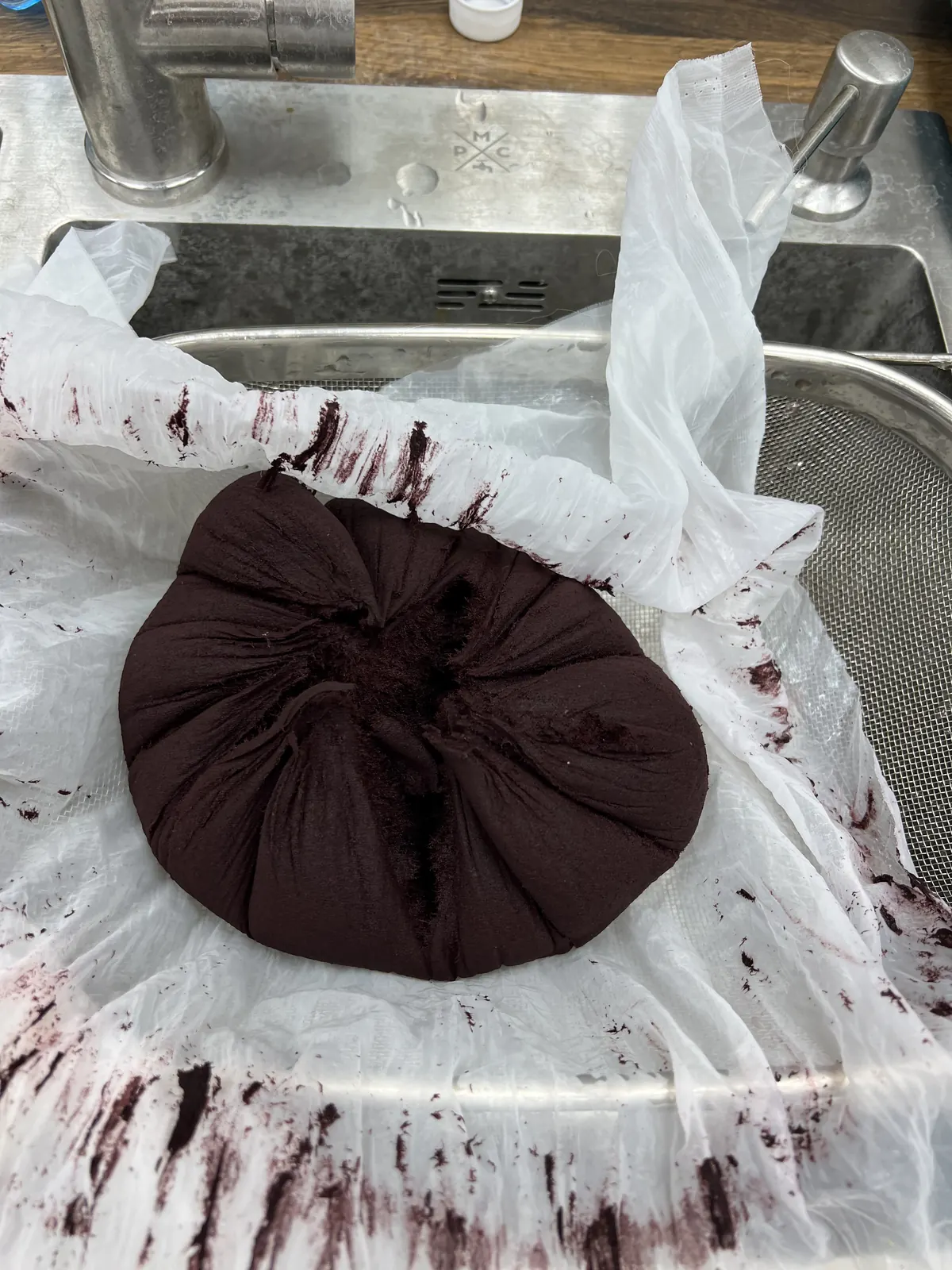
Separating biomass by filtration 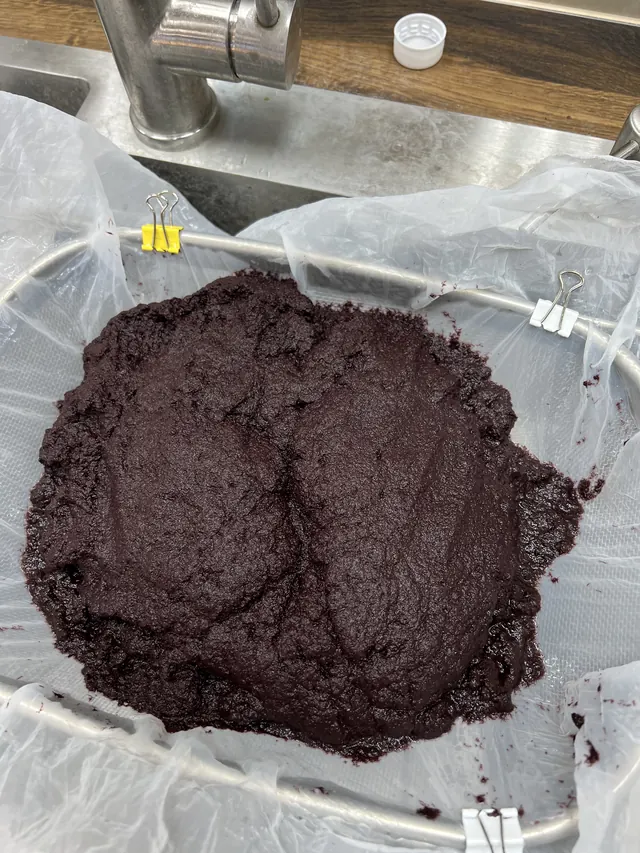 (opens in a new tab)
Biomass on the filter 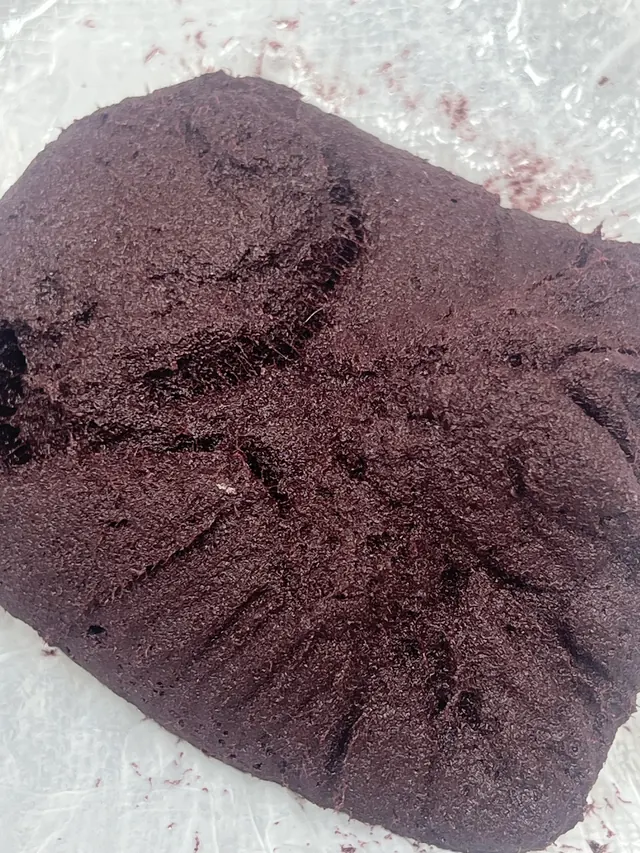 (opens in a new tab)
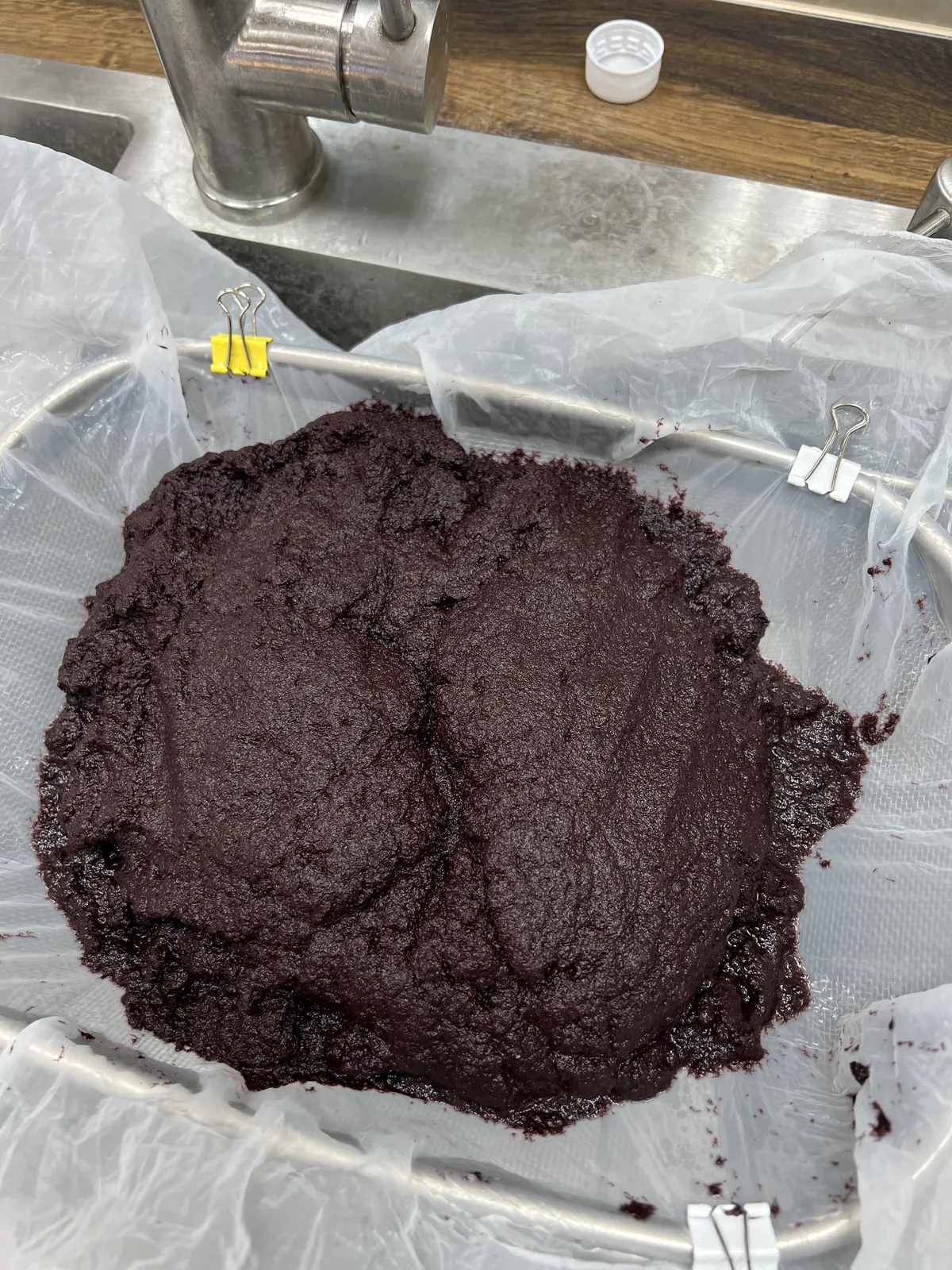
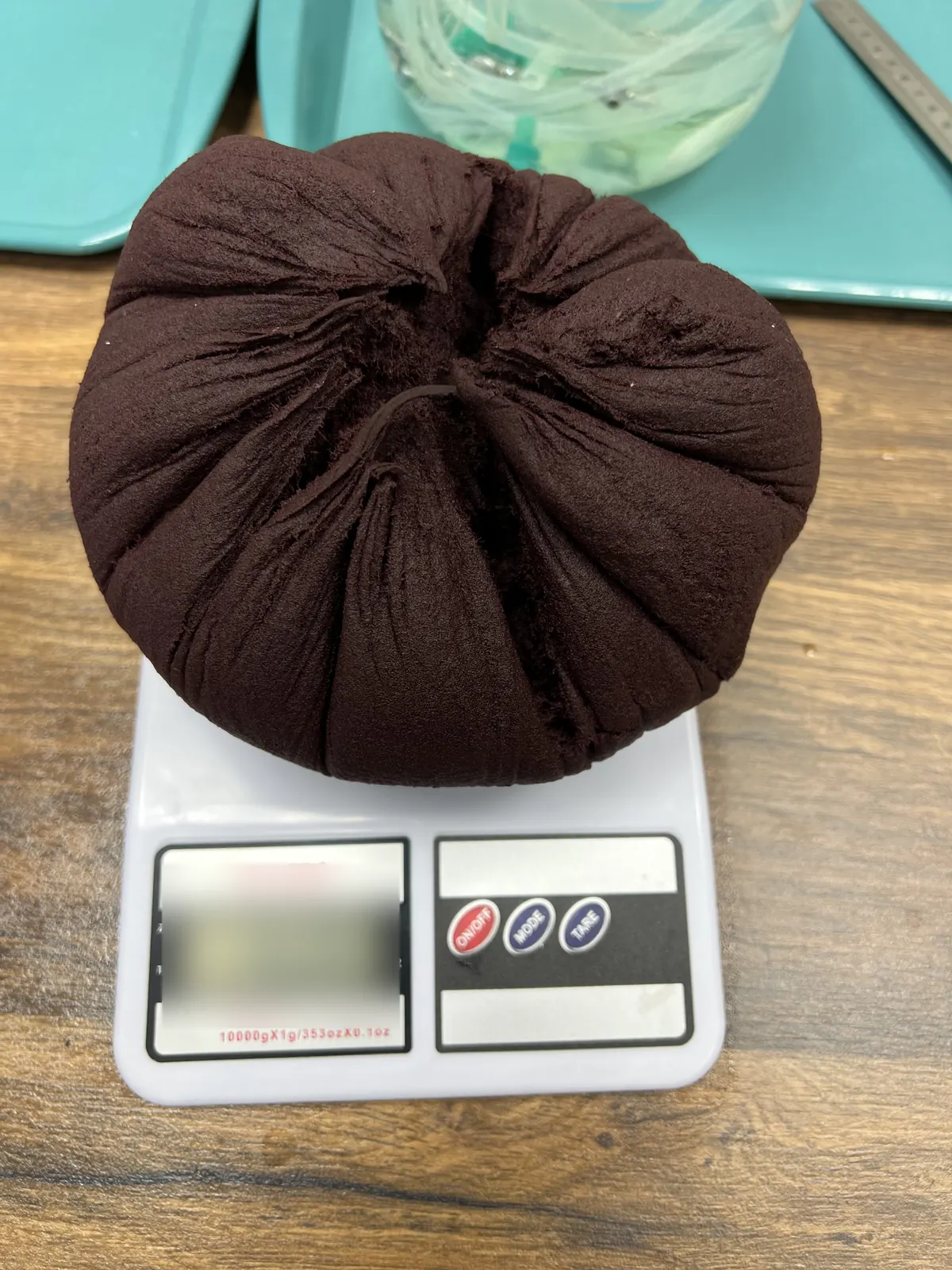
Wet biomass, close-up 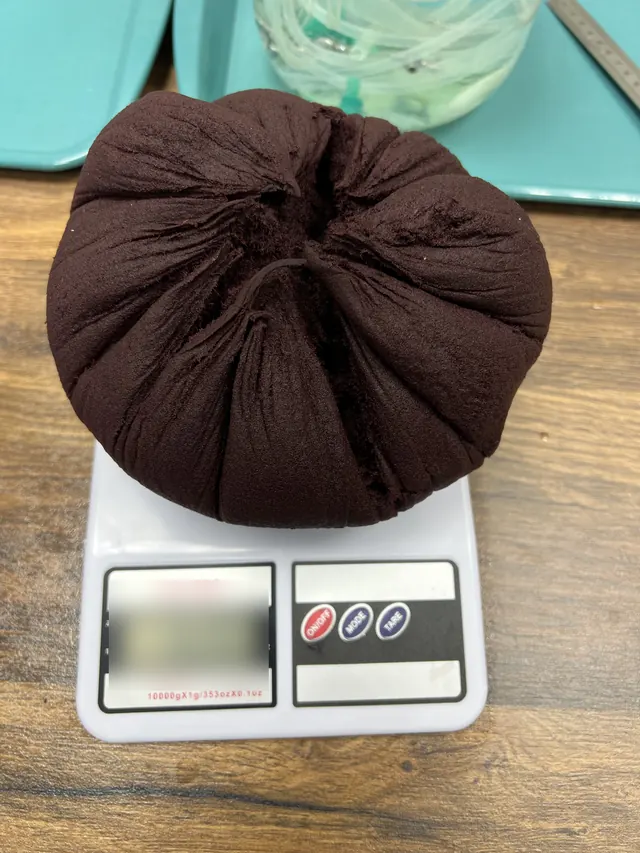 (opens in a new tab)
Weighing wet biomass 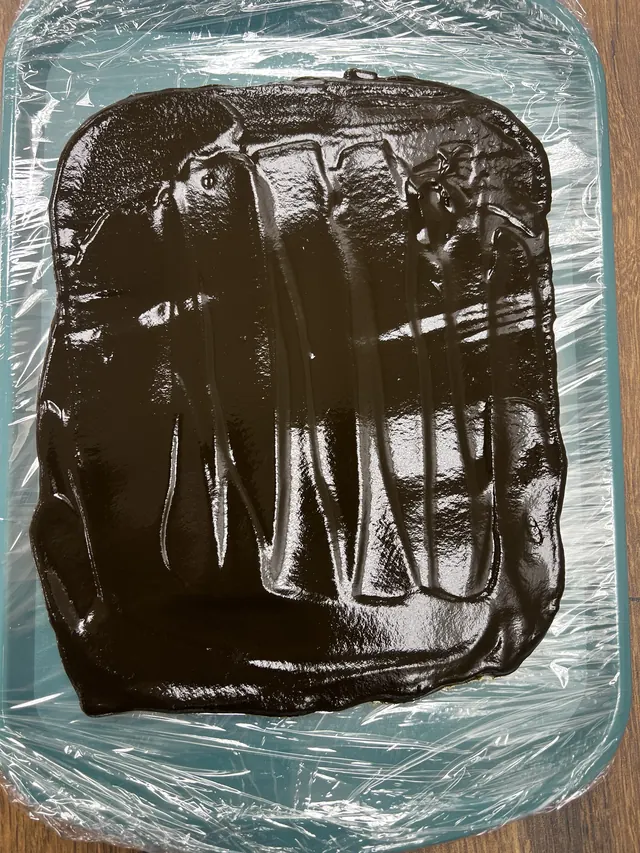 (opens in a new tab)
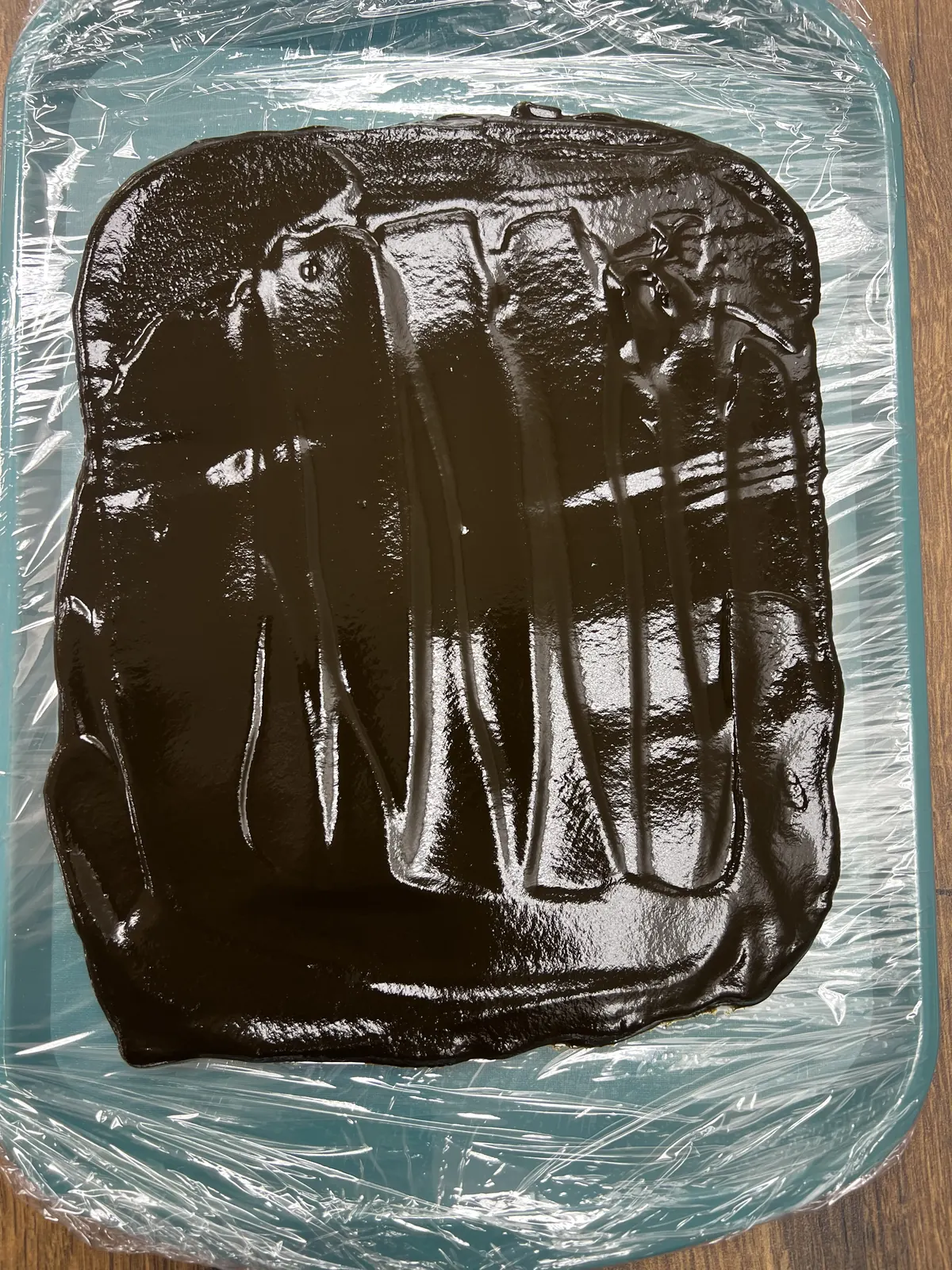
Wet biomass on a tray 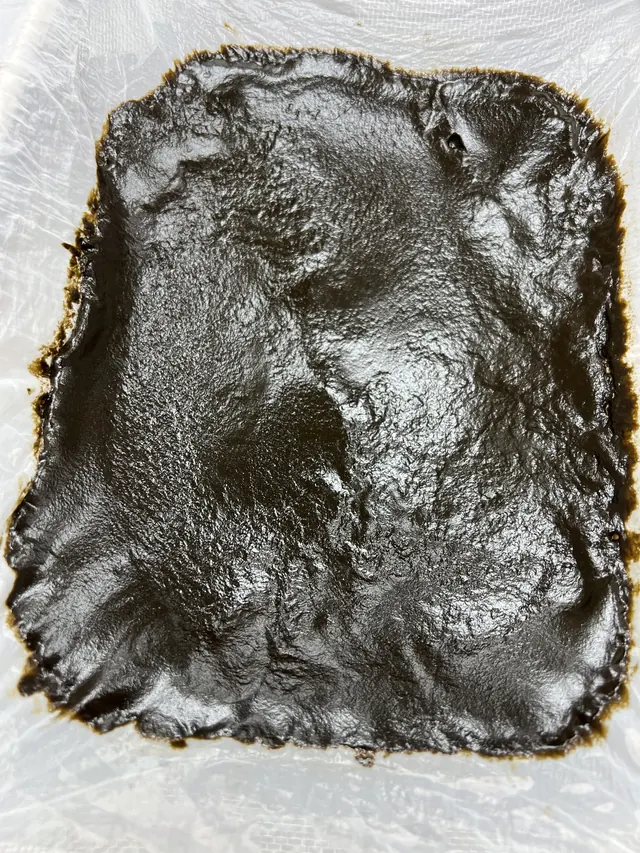 (opens in a new tab)
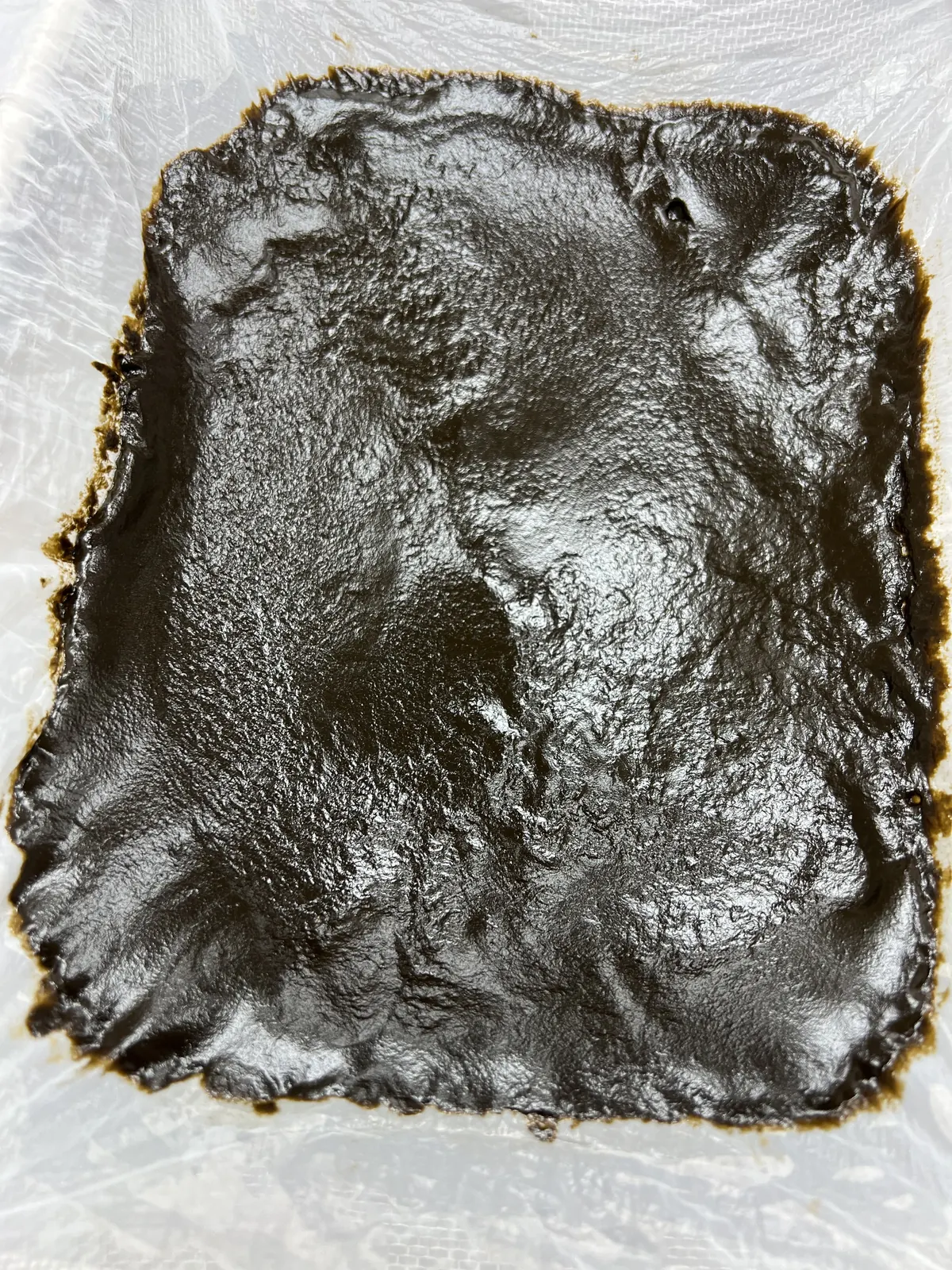
Layer of wet biomass 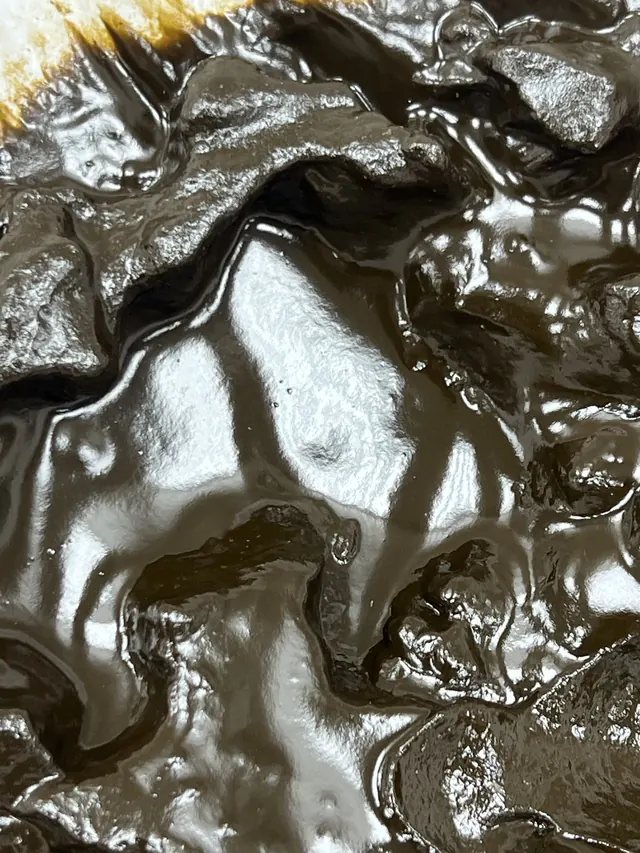 (opens in a new tab)
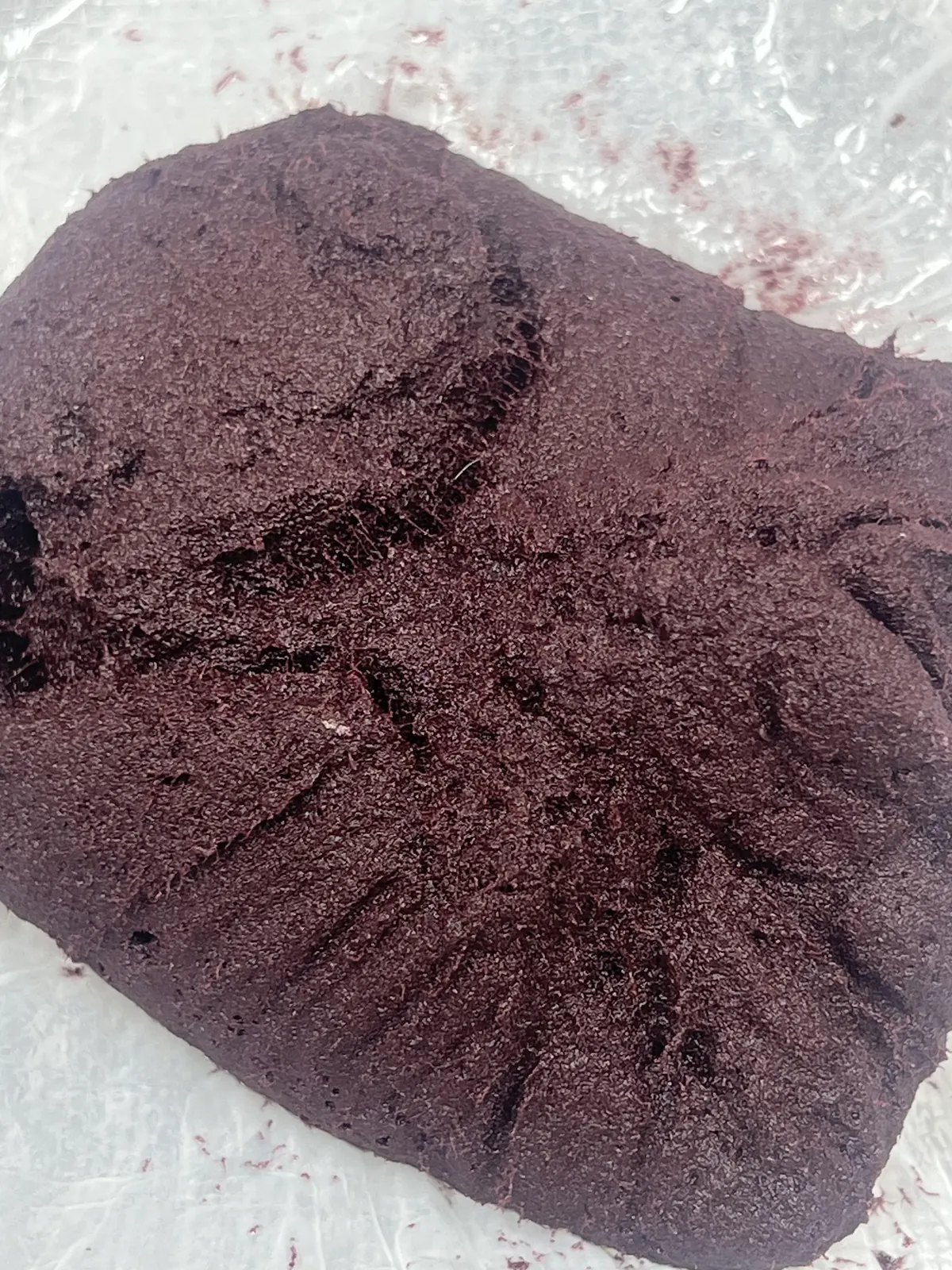
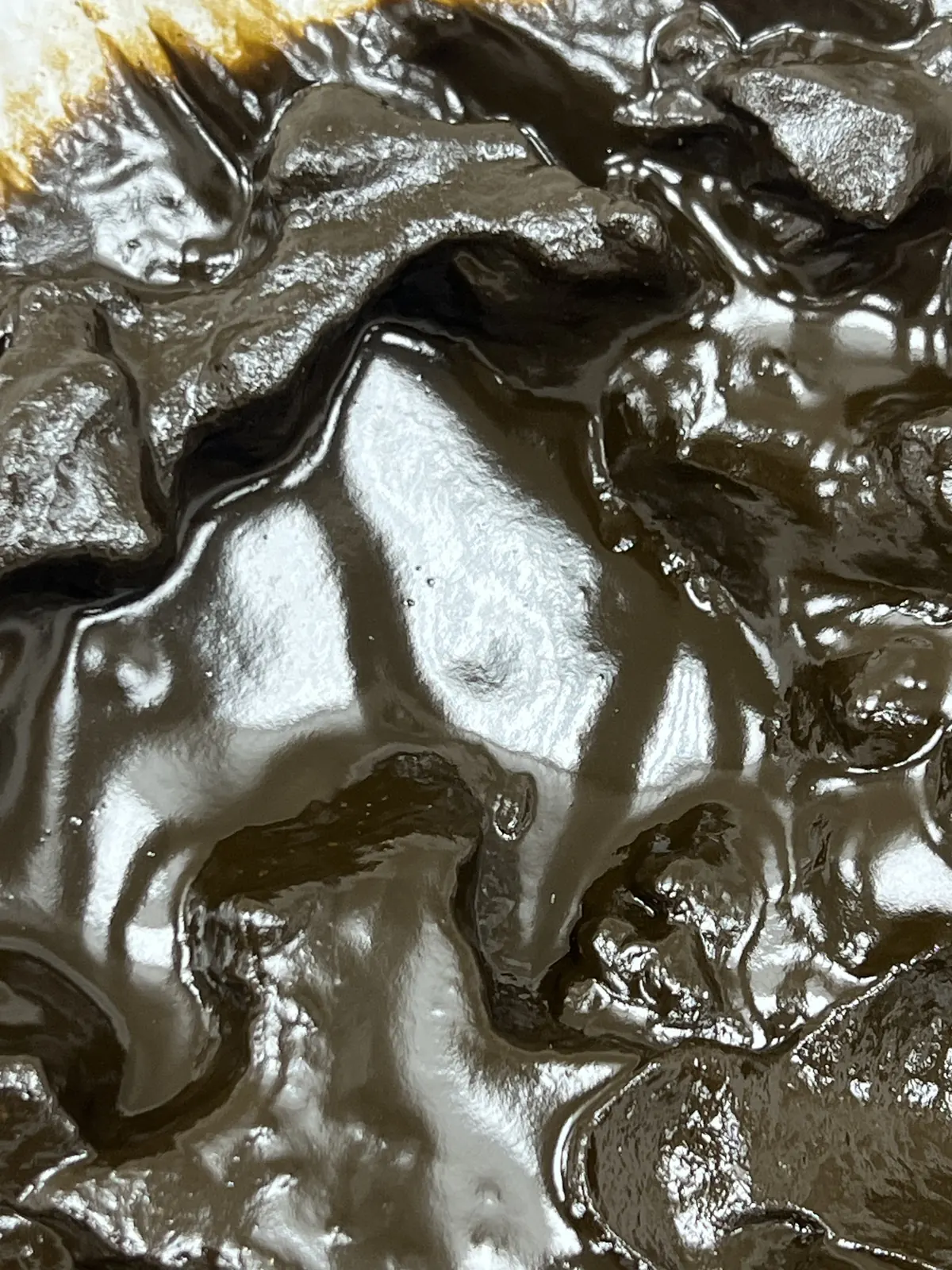
Wet biomass, texture 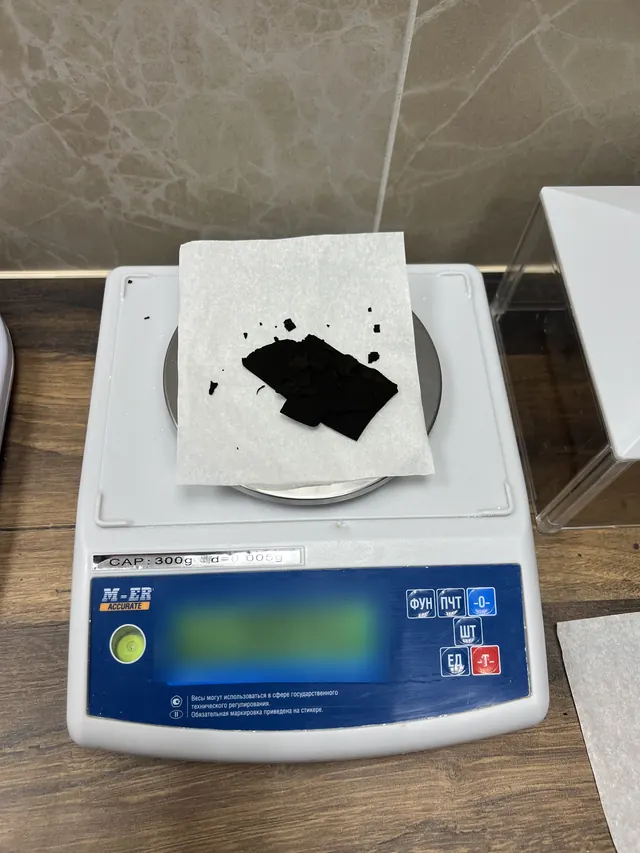 (opens in a new tab)
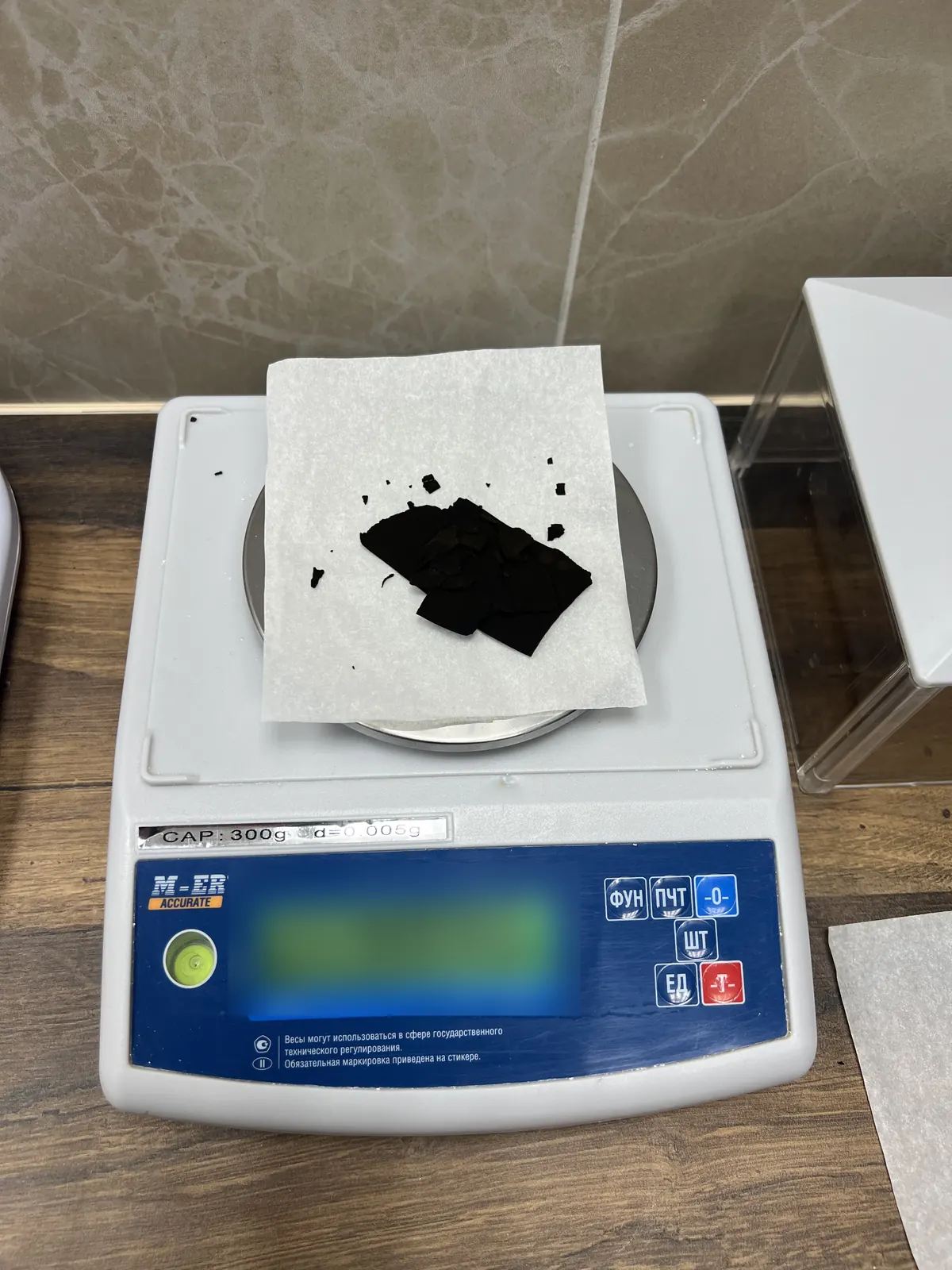
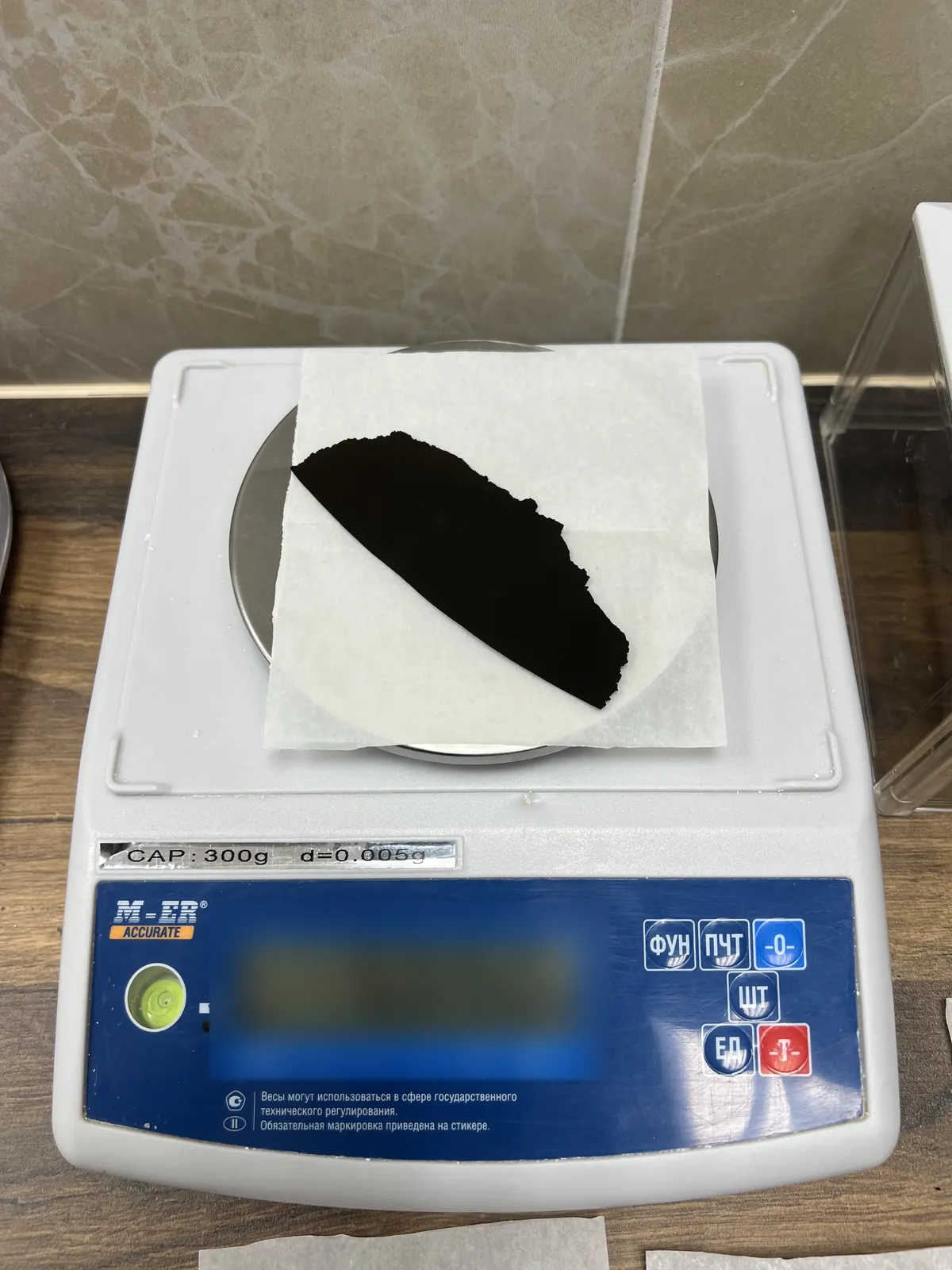
Weighing dried biomass 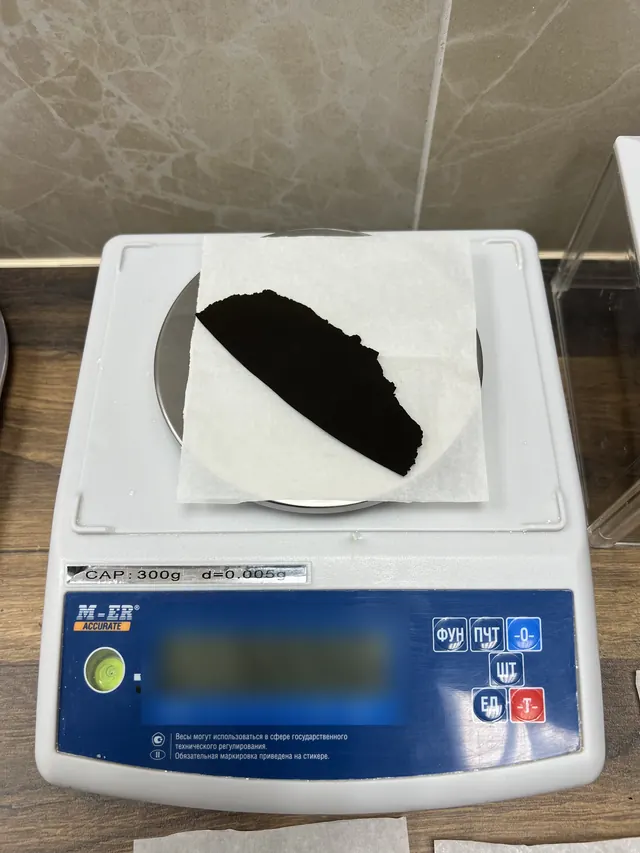 (opens in a new tab)
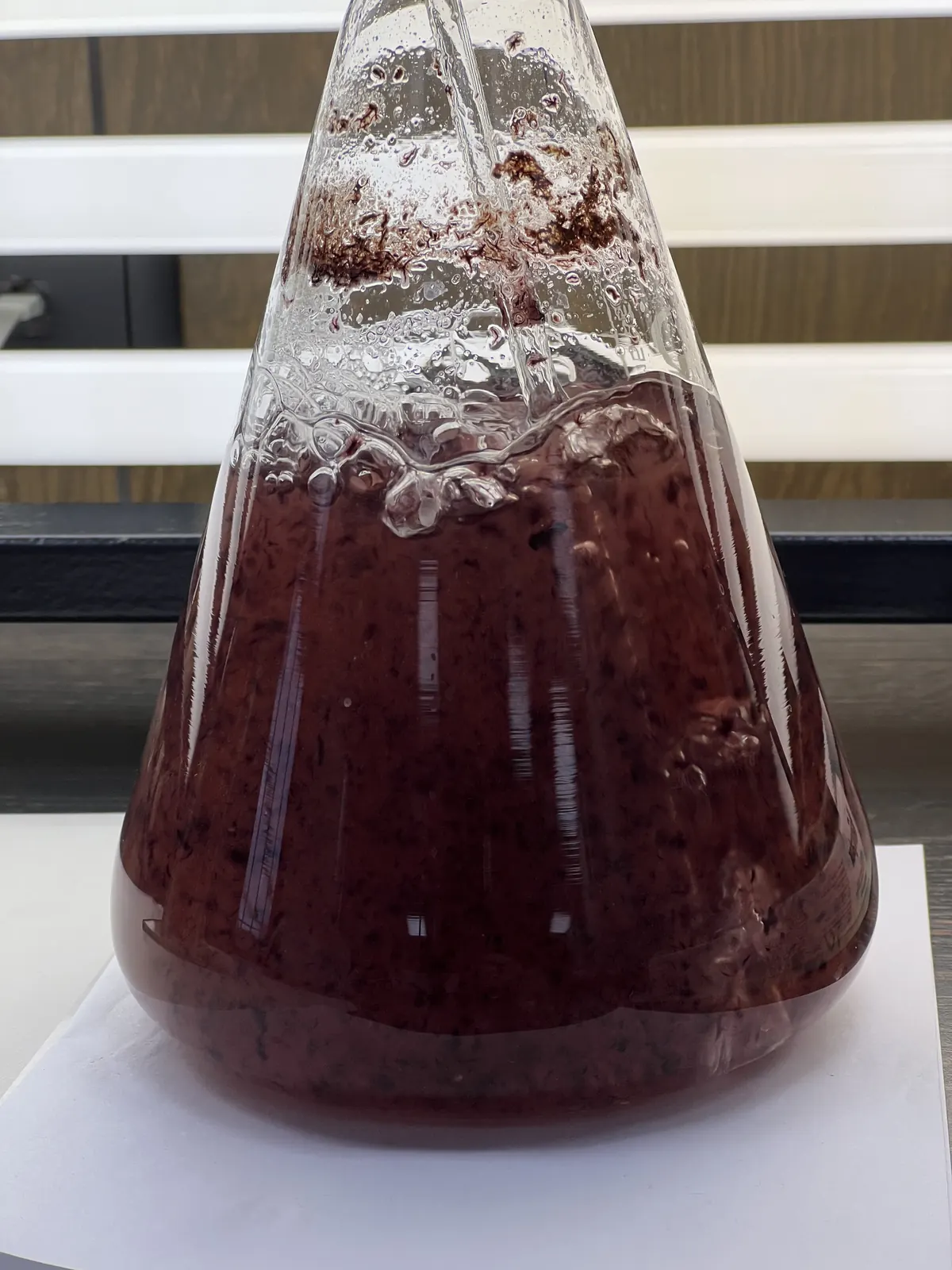
Dried biomass on a balance
Status system
How we label readiness
We use a single readiness scale for technologies and results.
- Published result
- The result is published in a peer-reviewed journal or an open source
- Confirmed by a report or protocol
- The result is confirmed by a signed report or protocol
- Laboratory development
- The process or method is being worked out under laboratory conditions
- Pilot run
- The process is being tested in a pilot configuration
- Being prepared for scale-up
- The process is reproducible and transition to a larger scale is being prepared
- Concept or research direction
- The direction is defined; research is under way or planned
Let's discuss a process for your product
Tell us about your raw material requirements and we will assess the route from a laboratory test to a pilot.